
Budget 2025: Key points at a glance
Adapted from a BBC news article, 26 November 2025
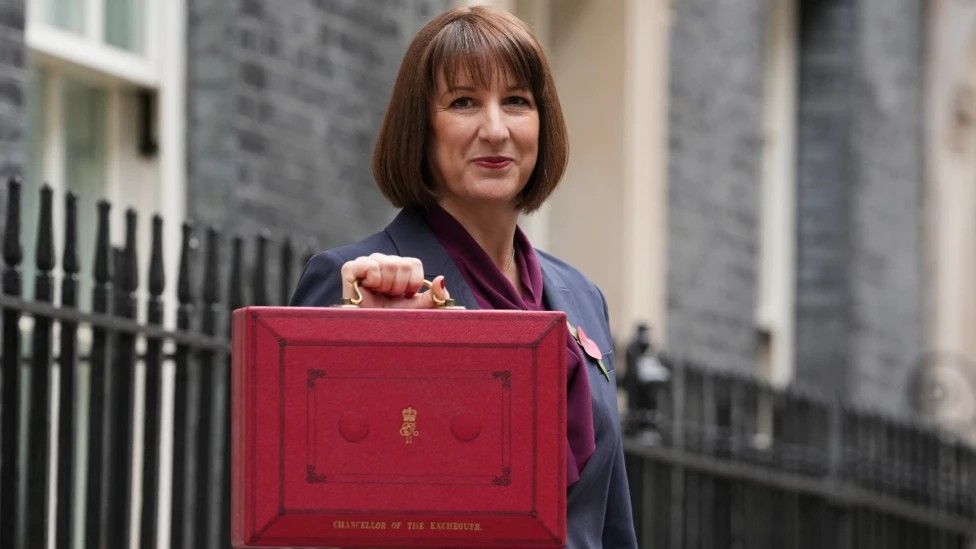
Rachel Reeves has set out details of her second Budget since becoming Chancellor.
A number of measures from the yearly tax and spending plan had already been announced in the days leading up to the statement.
Other measures were revealed by accident after the UK's budgetary watchdog mistakenly published its official forecast early.
Here is a summary of the main points.
Personal taxation
National Insurance (NI) and income tax thresholds frozen for an extra three years beyond 2028, dragging more people into higher bands over time
Amount under-65s can put into cash Isas (Individual Savings Accounts) capped at £12,000 a year, with the rest of the £20,000 annual allowance reserved for investments
Basic and higher income tax rates on property, savings and dividend income to increase by 2 percentage points
Wages, benefits and pensions
The cap limiting households on universal or child tax credit from receiving payments for a third or subsequent child to be scrapped from April
Legal minimum wage for over-21s to rise 4.1% in April, from £12.21 to £12.71 per hour
Wage for 18 to 20-year-olds to go up 8.5%, from £10 to £10.85 per hour, as part of a plan to establish a single rate for all adults Basic and new state pension payments to go up by 4.8% from April, more than the current rate of inflation, under the "triple lock" policy
The amount people can sacrifice from their salary to avoid paying NI on pension contributions is capped at £2,000 a year from 2029
Help to Save scheme, which offers people on universal credit a bonus on savings, has been extended and expanded beyond 2027
Housing and property
A terrace of colourful houses in London
Properties in England worth more than £2m to face a council tax surcharge of between £2,500-£7,500, following a revaluation of homes in bands F, G and H
Transport
5p "temporary" cut in fuel duty on petrol and diesel extended again, until September 2026 before it rises again over a six-month period
A new mileage-based tax for electric vehicles and plug-in hybrid cars to be introduced from 2028
Regulated rail fares for journeys in England frozen next year for the first time since 1996 (there have been periods when prices rose by less than inflation)
Premium cars to be excluded from the Motability scheme, which allows people on certain disability benefits to lease vehicles more cheaply
Business taxes
Tax exemption for small packages from overseas retailers worth under £135 will be scrapped from 2029, following complaints it hinders UK businesses
Tax on profits made by gambling firms from online bets to rise from 21% to 40% in April, alongside the abolition of the 10% bingo tax
Food and drink
Tax on sugary drinks extended to pre-packaged milkshakes and lattes from 2028, reversing an exemption when the tax was introduced in 2018
UK growth, inflation and debt
Office for Budget Responsibility (OBR) predicts the UK economy will grow by 1.5% this year, upgraded from a 1% forecast in March
Inflation is predicted to average 3.5% this year, before falling to 2.5% next year, and returning to the government's 2% target in 2027
Other measures
English regional mayors to be given powers to tax overnight stays in hotels and holiday lets, echoing existing plans in Scotland and Wales
Cost of a single NHS prescription in England frozen at £9.90 for another year (they remain free in Wales, Scotland and Northern Ireland)